

When preparing for the future, our minds naturally drift toward accumulation and protection. We think about buying a home, investing in a retirement fund, and ensuring our family is taken care of if the unexpected happens. However, true protection extends far beyond the active years of our lives. It reaches into the quiet, delicate moments that follow our passing. End-of-life planning is an act of profound love and responsibility, yet it is a topic many people avoid until it is thrust upon them by circumstance.
When a person passes away without a clear roadmap, the emotional burden on surviving family members is amplified by an onslaught of logistical and financial decisions. In the midst of acute grief, family members are forced to guess what their loved one would have wanted, navigate complex corporate structures, and make major financial commitments under tight deadlines. This pressure frequently leads to emotional overspending, family disputes, and lasting regrets.
The intersection of law and legacy is where we find clarity. Preparing for the inevitable is not merely about distributing wealth or signing a deed; it is about establishing an unbroken chain of intent that guides your family through their darkest hours. By integrating your final wishes into a comprehensive legal strategy, you take the guesswork out of the equation. You ensure that your values are respected, your assets are preserved, and your family is given the space to grieve rather than a checklist of administrative crises to solve.
This comprehensive guide explores how proactive preparation bridges the gap between legal arrangements and personal tributes. We will examine the structural mechanisms required to protect your legacy, the logistics of arranging meaningful ceremonies, and the practical steps for establishing permanent monuments. By understanding these components today, you can grant your family the ultimate gift of peace and certainty for tomorrow.
1. The Critical Intersection of Law and Final Arrangements
Many individuals view estate administration and end-of-life ceremonies as entirely separate concepts. They assume that a legal professional handles the money, while a director at a local parlor handles the service. In reality, these two spheres are deeply intertwined. If you do not legally formalize your wishes, state laws dictate who has the authority to make decisions regarding your remains, which can lead to intense family conflicts during an already stressful time.
When you work with a trusted estate planning attorney, you are doing more than just creating a distribution list for your property. You are appointing a legal representative who is bound to carry out your exact specifications. This professional helps you draft binding documents—such as a declaration of desire for final disposition—that hold weight across jurisdictions. Without this legal backing, oral promises or casual emails can easily be challenged or ignored by well-meaning but conflicted relatives.
Integrating your wishes into a formal framework streamlines the actual execution of funeral planning. Your legal advocate can help you establish dedicated funding mechanisms, such as a payable-on-death account or a specific trust, ensuring that the individuals organizing your services have immediate access to capital without waiting for the lengthy probate process to conclude. This prevents your family from having to pay out-of-pocket for your final arrangements.
2. Navigating the Legal Framework of Final Directives
To ensure your final wishes are executed seamlessly, it is vital to understand the specific legal instruments available to you. A standard will is often insufficient on its own because it is rarely read or admitted to probate until weeks after a service has concluded. Therefore, reliance on a will alone can result in your family making decisions before they ever uncover your written instructions.
To counter this timeline issue, legal professionals utilize specialized directives that take effect immediately upon passing. These include appointment documents that explicitly state who has the right to control the disposition of your body. These documents can dictate whether you prefer burial or cremation, where the service should take place, and how the event should be funded. By establishing these parameters legally, you remove the burden of choice from your grieving family.
This proactive approach completely transforms the experience of funeral planning for your survivors. Instead of sitting in a corporate office making dozens of rapid-fire choices while emotionally compromised, your family can simply hand your legal directives to the coordinator. The document acts as an instruction manual, transforming an overwhelming administrative ordeal into a straightforward execution of your stated wishes.
3. Securing Long-Term Legacy Structures
Once the immediate services are concluded, the focus shifts toward permanent memorialization. This phase of planning involves navigating a completely different set of legal and commercial landscapes. Choosing a permanent marker is a multi-step process that requires vetting vendors, understanding cemetery regulations, and ensuring the chosen design complies with local property rules.
When selecting a permanent monument, you will interface directly with a gravestone company. This specialized vendor is responsible for sourcing materials, executing engravings, and delivering the monument to the cemetery site. However, before purchasing any monument, you must ensure that the vendor understands the strict guidelines enforced by the cemetery where the burial will take place. Many cemeteries restrict monument sizes, materials, and even inscription styles to maintain a uniform appearance across their grounds.
Failing to coordinate these details ahead of time can lead to costly legal and financial disputes. If a monument is delivered that violates cemetery bylaws, the cemetery has the right to refuse installation, leaving the family caught between a vendor contract and a property restriction. Incorporating these specifications into your broader strategy ensures that all purchases are legally compliant and logistically feasible before any money changes hands.
4. Evaluating Choices for Permanent Grave Markers
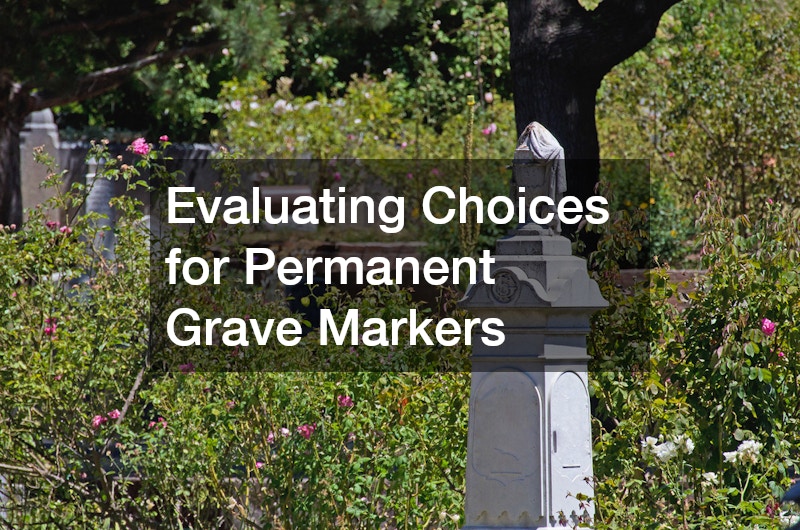
The physical monument placed at a resting place serves as a permanent anchor for future generations. It is a place where descendants can visit, reflect, and connect with their family history. Because these structures are intended to last for centuries, the selection process requires careful thought regarding aesthetics, durability, and messaging.
When evaluating your options, you will encounter a wide variety of terminology and styles. A traditional upright tombstone remains a popular choice for many families, offering a large surface area for detailed inscriptions, family crests, and personalized artwork. These upright monuments provide high visibility within a cemetery landscape, making them easy for visiting family members to locate across a large property.
5. Standardizing Language for Permanent Monuments
The phrases and titles used to describe permanent grave markers are often used interchangeably in casual conversation, but they carry distinct meanings within the monument industry. When planning out your final arrangements, clarity in your documentation prevents confusion among your executors and ensures that the funds set aside are used appropriately.
The industry generally categorizes permanent placements under the broad umbrella of headstones and grave markers for people to decide from. This phrasing, ” headstones and grave markers” encompasses everything from flush-to-the-ground bronze plaques to massive custom-carved granite structures. By understanding the full scope of what is available, you can make an informed choice that balances your personal aesthetic desires with the financial allocations established in your asset protection plans.
Specifying the exact type of monument you want in your personal records prevents your family from having to make aesthetic guesses during a time of mourning. It allows you to select the stone color, the font style, and the exact wording of your epitaph in advance. This level of detail guarantees that your final physical footprint on earth is exactly how you envisioned it, serving as a dignified reflection of your life.
6. Structuring the Finances for Permanent Tributes
A major pain point for grieving families is the sudden realization of how much it costs to permanently mark a resting place. High-quality stone cutting, transport, foundation pouring, and cemetery permit fees can quickly add up to thousands of dollars. If these costs are not factored into an estate strategy, they can deplete funds intended for surviving dependents.
Setting aside funds specifically for headstones prevents this financial friction entirely. An experienced legal planner can help you allocate assets into structured accounts that bypass probate, meaning the money is released immediately to pay the monument builders. This prevents a scenario where a grave remains unmarked for months or years while the broader estate works its way through the court system.
Pre-selecting and funding your monument allows you to lock in current pricing. The cost of raw materials and specialized labor increases steadily over time due to inflation. By establishing a contract with a reputable builder today and securing the funds through your legal documents, you shield your family from rising industry costs in the future.
7. Organizing the Assembly and Commemoration Service
The ceremony surrounding a passing is a vital ritual for the living. It provides a structured environment where friends, family, and community members can gather to share stories, offer mutual support, and collectively process their grief. Designing this event in advance allows you to infuse the day with your personal philosophy, values, and memories.
When outlining the structure of the event, you must determine the primary tone and setting of the funeral itself. Whether you prefer a highly traditional, solemn service with formal liturgy or a loose, contemporary gathering focused on storytelling, your preferences should be clearly documented. This guidance gives your family a clear framework to follow, removing the anxiety of trying to balance competing opinions from well-meaning relatives.
Beyond the tone, the physical logistics require careful attention. You must consider how attendees will travel between the service location and the burial site, how to manage guest books and memorial registries, and who will be asked to deliver eulogies or participate as pallbearers. Documenting these preferences creates an orderly process that allows the day to unfold smoothly and with deep dignity.
8. Anchoring the Ceremony Within the Local Community
For many individuals, their spiritual or community life is the foundation of their identity. When planning a final service, it is natural to want the ceremony hosted in a space that reflects those deeply held community ties. Choosing a venue that is welcoming to all generations ensures that everyone in your circle can participate comfortably.
When selecting a location, many families prioritize finding a family-friendly church near me to host both the formal service and the reception that follows. A community-focused venue offers distinct advantages, including built-in pastoral support, volunteer networks that can assist with hospitality, and facilities designed to accommodate both young children and elderly attendees. This multi-generational accessibility is crucial for creating a supportive environment where an entire extended family can gather.
9. Customizing the Gathering to Reflect Personal Values
A modern end-of-life service does not have to fit into a rigid, cookie-cutter mold. Many people choose to shift the focus away from traditional mourning structures toward a personalized celebration of life. This approach allows the event to highlight an individual’s hobbies, passions, achievements, and unique personality traits.
When designing a personalized memorial, you have total freedom to break away from standard protocols. You can choose to host the gathering in an outdoor park, an art gallery, or a favorite community hall. The focus of this type of event is on creating an interactive space where attendees can engage with your legacy through photo displays, curated music playlists, and open-mic storytelling sessions.
10. Managing Aesthetic Details and Day-Of Logistics

The final layer of planning involves the sensory and aesthetic details that define the environment of the service. The visual atmosphere of a venue plays a powerful role in comforting attendees. The colors, scents, and visual arrangements work together to create a calm, peaceful space where people can focus on remembering your journey.
To ensure the venue looks exactly as you intend, you can pre-arrange contracts with a professional funeral flower service. This vendor is responsible for creating casket sprays, standing easels, and altar arrangements that match your preferred color scheme and botanical choices. Specifying these details in advance prevents your family from having to make rushed design choices during their initial meetings at the parlor.
Proactive preparation is one of the most selfless actions a person can take. By taking the time to align your personal values with a concrete legal framework, you remove a massive administrative and emotional burden from the people you love most. Your family is spared from making difficult financial and aesthetic decisions during their first few days of acute grief, allowing them to focus entirely on honoring your memory and supporting one another.